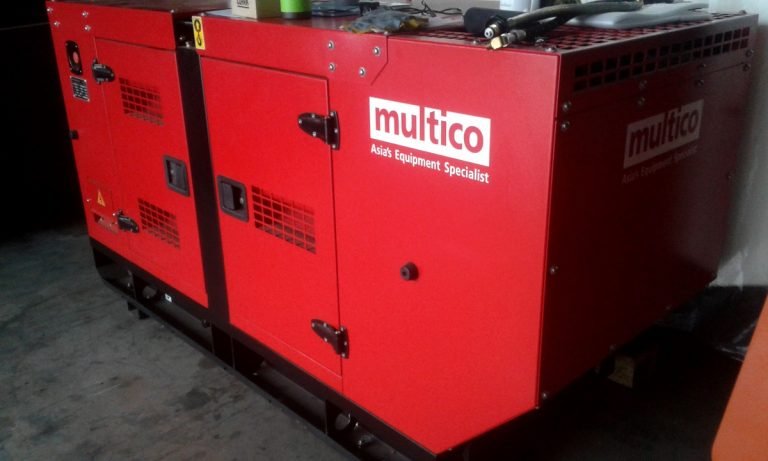
Picture this: the power goes out, you head to your trusty generator, flip the switch… and nothing. Or worse, it sputters, struggles, and then dies. Frustrating, right? When your home or business relies on backup power, understanding common generator problems & diagnostics isn't just about convenience; it's about preparedness, safety, and saving yourself a potential headache (and a hefty repair bill).
As someone who's seen every kind of generator hiccup, from minor annoyances to critical failures, I know that many issues can be diagnosed—and even fixed—without calling in a professional. This guide will walk you through the most frequent problems, equip you with the knowledge to troubleshoot like a pro, and help you determine when it's truly time to enlist expert help.
Your Generator's Health: At a Glance
- Won't start? Check fuel, battery, spark plugs, and breakers first. These are often the easiest fixes.
- Weak or dead battery is a top offender. Clean terminals and confirm the charger works.
- Fuel system clogs are common, especially with old or contaminated fuel. Drain and inspect.
- Overheating? Poor airflow is usually the culprit. Clean filters and ensure proper ventilation.
- No power output despite running? Reset breakers and check connections.
- Preventative maintenance is key. Regular checks, running under load, and professional service can save you significant trouble.
- Safety first. Always disconnect power and fuel before attempting any repairs.
Why Generators Stumble: Understanding the Core Issues
Generators are robust machines, but they're not infallible. Their failures often boil down to a few core categories: fuel system integrity, electrical component health, mechanical wear, and environmental factors. For instance, ethanol-blended fuels can gradually degrade carburetors, while dirty fuel lines will starve the engine. Battery issues, poor connections, or faulty spark plugs are prime suspects for electrical starting woes. Over time, components like alternators or motor bearings can wear down, leading to reduced power output. Even simple things like inadequate ventilation or excessive loads can accelerate wear and trigger shutdowns.
The Most Common Culprits: Your Generator's Top Headaches
Let's dive into the problems you're most likely to encounter and what they mean.
1. The Stubborn Start: When Your Generator Won't Fire Up
Nothing's more deflating than a generator that refuses to kick into gear. This is arguably the most common complaint, and thankfully, it often has a straightforward solution.
Weak or Dead Batteries
Just like your car, a generator's battery can lose its charge or succumb to corrosion. This is especially true if the generator sits idle for long periods without a trickle charger.
- Diagnostics: Look for dirty or corroded battery posts (white or blue powdery residue). Test the battery's voltage with a multimeter. Confirm your battery charger, if equipped, is working correctly.
- Fixes: Clean dirty posts with a wire brush and a baking soda-water solution. Ensure terminals are tight. If the battery isn't holding a charge, it's time for a replacement.
Fuel System Faults: Clogs, Contamination, and Air
Fuel is the lifeblood of your generator, and issues here are rampant.
- Clogged Fuel Lines & Filters: Over time, sediment, rust, or even condensed water can accumulate in your fuel tank and lines, restricting flow. Old, stagnant fuel can also leave gummy deposits.
- Diagnostics: Check fuel levels first. If full, inspect fuel lines for visible blockages or kinks. A clogged fuel filter will often prevent fuel from reaching the engine.
- Fixes: Drain any old fuel and replace it with fresh, stabilized fuel. Replace the fuel filter. If lines appear heavily clogged, professional cleaning or replacement might be needed.
- Fuel Contamination (Especially Diesel): Diesel generators are particularly susceptible to water ingress or microbial growth (diesel bug) in their tanks.
- Diagnostics: Inspect the fuel itself; look for cloudy fuel, visible water, or sludge.
- Fixes: Use fuel additives designed to prevent contamination and regularly inspect your fuel. Badly contaminated tanks require a full drain and cleaning, often best left to a professional.
- Air in the Fuel System: Sometimes, air gets trapped in the fuel lines, preventing proper fuel delivery to the engine. This is more common in diesel engines after a fuel filter change or if the tank runs completely dry.
- Diagnostics: The engine will crank but won't start, or it might start briefly and then stall.
- Fixes: Bleeding the fuel lines can remove trapped air. This procedure varies by model and is often best handled by a technician to avoid further complications.
Spark Plug Issues (Portable Generators)
For gasoline-powered portable generators, spark plugs are critical for ignition.
- Diagnostics: Remove the spark plug and inspect it. Is it fouled with carbon, oily, or unusually wet? Is the gap correct?
- Fixes: Clean a dirty spark plug with a wire brush or replace it entirely. A clean, properly gapped spark plug ensures a strong spark. Grounded Electric, experts in generator services, notes that hard starting after storage is often linked to old fuel and fouled spark plugs.
2. Power Play Problems: When Your Generator Runs but Doesn't Deliver
Your generator is running, humming along, but there's no power coming out of the outlets. What gives?
No Power Output
This is typically an electrical issue, often easier to troubleshoot than engine problems.
- Diagnostics: First, check the main circuit breaker on the generator itself. If it's tripped, reset it. Also, inspect all output cables for damage or loose connections.
- Fixes: Resetting the breaker often solves the problem. If it trips repeatedly, you might be overloading the generator. Disconnect non-essential devices and try again. If power still doesn't return, it could indicate a faulty alternator, voltage regulator, or wiring fault, which requires an electrician or technician.
Inconsistent Power Supply (Fluctuations)
If the power output isn't stable, it could damage sensitive electronics.
- Diagnostics: Ensure the fuel tank is full. Low fuel can lead to inconsistent power as the engine struggles. Check the main breaker on the unit.
- Fixes: Top off the fuel. If the problem persists, especially in portable units, the alternator may need inspection or repair. This is a job for a qualified technician.
3. Engine Performance Puzzles: Heat, Exhaust, and Efficiency
These issues impact the generator's ability to run smoothly and efficiently.
Overheating Shutdowns
A generator that overheats and shuts down is trying to protect itself from serious damage.
- Diagnostics: Check the air filter; a dirty filter restricts airflow. Ensure the generator's exhaust isn't blocked and that there's proper ventilation around the unit. Are the cooling fins or radiator clear of debris?
- Fixes: Replace the air filter. Clear any obstructions around the exhaust and ensure adequate clearance for airflow. If the issue continues, a technician should investigate for potential coolant system problems (for liquid-cooled units) or internal engine issues.
Wet Stacking (Diesel Generators)
This common diesel generator issue occurs when the generator runs on light loads for extended periods. Unburnt fuel and exhaust gases accumulate in the exhaust system, leading to a tar-like residue.
- Diagnostics: Look for black, oily residue dripping from the exhaust system. The generator may also emit excessive smoke.
- Fixes: The best prevention is running the generator at full load for a period. This burns off the deposits. If severe, cleaning the exhaust system and combustion chambers may be necessary. This is a task for professional service.
Carburetor Clogs (Portable Generators)
Especially after prolonged storage, fuel residue can gum up the tiny jets and passages in a carburetor, leading to hard starts or rough running.
- Diagnostics: The generator may crank but not start, or run poorly and surge.
- Fixes: Clean the carburetor. This can be done with carburetor cleaner, but a full disassembly and cleaning might be required if the clogs are severe. If you're not comfortable with this, a technician can help. To prevent this, use stabilized fuel before storage.
Low Coolant or Oil Levels
These critical fluids keep your engine lubricated and cool. Low levels are a red flag.
- Diagnostics: Check coolant and oil levels often. Look for visible leaks around the engine or under the generator.
- Fixes: Top up fluids as needed. If you find a leak, it's a serious issue that warrants immediate professional service to prevent engine damage.
Debris in Intake or Exhaust Valves (Diesel)
Blockages in these crucial pathways can choke your engine, reducing performance and potentially causing damage.
- Diagnostics: The generator may run rough, lose power, or produce unusual exhaust.
- Fixes: Check for visible blockages. Regular cleaning and part replacement prevent long-term damage, but valve cleaning or repair often requires a technician.
Mastering the Diagnostics: A Step-by-Step Troubleshooting Guide
When your generator acts up, don't panic. Follow these systematic steps to pinpoint the problem.
1. Safety First! Prepare for Troubleshooting
Before you touch anything, prioritize safety.
- Disconnect Power & Fuel: Always disconnect the battery and turn off the fuel supply before starting any repairs or inspections. This prevents accidental starts and reduces fire risk.
- Ventilation: Work in a well-ventilated area to avoid carbon monoxide buildup, especially if you're testing the generator's run capabilities.
- Protective Gear: Wear protective gloves and safety goggles.
- Fire Extinguisher: Keep a fire extinguisher (rated for electrical and fuel fires) nearby.
- Stable Surface: Ensure the generator is on a stable, level surface.
2. The Visual Sweep: Your First Line of Defense
A thorough visual inspection can reveal a surprising number of problems.
- Fuel Levels: Is the fuel tank full? Is the fuel fresh, or has it been sitting for months?
- Battery Condition: Are the terminals clean and tight? Is there any visible corrosion?
- Wiring & Connections: Look for loose, frayed, or damaged wires. Check all connections, especially to the battery and the control panel.
- Filters: Are the air filter and fuel filter visibly dirty or clogged?
- Leaks: Scan for any puddles or drips of oil, fuel, or coolant.
- Physical Damage: Are there any dents, cracks, or loose parts?
3. Fuel System Deep Dive: Ensuring a Clean Supply
If the visual check didn't reveal the issue, move to the fuel system.
- Drain Old Fuel: If the fuel is old, drain it and replace it with fresh, non-ethanol gasoline (for small portable units) or clean diesel. Use a fuel stabilizer if storing for more than 30 days.
- Inspect/Replace Fuel Filters: A clogged fuel filter starves the engine. Replace it if it looks dirty or if the generator is struggling to get fuel.
- Clean the Carburetor: For gasoline units, if old fuel was present, the carburetor likely needs cleaning.
- Check Fuel Lines: Inspect lines for cracks, kinks, or blockages. Replace if damaged.
4. Electrical Checks: Is the Spark There?
Once fuel is confirmed, focus on the electrical path to ignition and power output.
- Test Battery: Use a multimeter to check battery voltage. It should be at or above the manufacturer's specification (e.g., 12.6V for a 12V battery).
- Spark Plugs (Gasoline): Remove and inspect spark plugs. Clean or replace as needed. Test for spark by grounding the plug (carefully!) and pulling the cord or cranking.
- Fuses & Breakers: Check all fuses and circuit breakers on the generator and any connected transfer switches. Reset tripped breakers.
- Output Voltage: If the generator starts but has no power, use a multimeter to test the voltage at the output receptacles. No voltage indicates an issue with the alternator, voltage regulator, or wiring.
5. Cooling System Inspection: Keeping Things Chill
Overheating is a serious issue that can quickly damage an engine.
- Air Filters: Clean or replace air filters regularly.
- Radiator/Cooling Fins: Ensure they are free of dirt, debris, or blockages.
- Coolant Levels (Liquid-Cooled): Verify radiator fluid levels and top up if low. Add antifreeze as applicable for cold weather.
- Cooling Fans: Check that cooling fans are intact and operational.
6. Load Conditions: Too Much Demand?
Sometimes the generator isn't faulty, but the load it's trying to power is too much.
- Disconnect Devices: If the generator is running but tripping breakers or shutting down, disconnect all non-essential devices.
- Measure Output Power: If you have a clamp meter, you can measure the actual current draw to ensure you're within the generator's rated capacity.
7. User Manual & Error Codes: Your Generator's Best Friend
Modern generators, especially standby units, often have sophisticated control panels that display error codes.
- Consult the Manual: Always refer to your generator's user manual for specific troubleshooting steps and interpretations of error codes. It's your model-specific guide.
Preventive Maintenance: Your Best Defense Against Downtime
An ounce of prevention is worth a pound of cure, especially with generators. Regular maintenance dramatically reduces the likelihood of encountering common generator problems. Understanding understanding generator repairs starts with knowing how to keep your unit running smoothly.
Routine Inspections and Fluid Checks
- Weekly: Take a few minutes to check fuel levels and ensure your fuel lines aren't showing signs of wear or leakage. If your generator has a battery charger, confirm it's working.
- Monthly: Check your coolant and oil levels. Look at the air filter for excessive dirt or debris.
- Every 6 Months: This is a critical interval for more in-depth checks and, ideally, professional service.
Run Your Generator Regularly (Under Load!)
- Exercise Your Unit: Run your generator regularly – experts recommend at least 20-30 minutes monthly, and for standby units, often weekly. This circulates fluids, lubricates engine parts, and prevents fuel from going stale in the carburetor.
- Run Under Load: Don't just let it idle. Connect a decent load (e.g., a few appliances or lights) during its exercise period. This prevents wet stacking in diesel units and keeps the alternator windings energized.
Smart Fuel Management
- Stabilize Fuel: If you store fuel or your generator for more than a month, always use a fuel stabilizer to prevent ethanol degradation and gum formation.
- Drain for Long Storage: For portable generators, if it will be idle for over 30 days, it's best to drain the fuel tank and run the engine dry to prevent carburetor clogs.
- Inspect Fuel Often: Especially for diesel tanks, check for water or contamination regularly. Use additives if necessary.
Battery Health is Power Health
- Charge Periodically: Keep your battery charged, especially during off-season storage, to prevent sulfation.
- Clean Terminals: Inspect and clean battery terminals regularly to ensure good electrical contact.
Air and Spark: The Essentials
- Air Filters: Replace air filters at manufacturer-recommended intervals. A clean filter ensures the engine breathes easily and runs efficiently.
- Spark Plugs (Gasoline): Replace spark plugs annually or after every 100 hours of running time.
Schedule Professional Service
Even with diligent DIY maintenance, some things are best left to the experts. Robert “Bobby” Mulholland and Barret Abramow of Grounded Electric, for example, recommend professional service every six months. They can identify subtle issues, ensure safety, and confirm compliance with local codes.
When to Call the Pros: Recognizing Your Limits
While much can be diagnosed and even fixed with basic tools and knowledge, some problems require specialized expertise. Don't hesitate to call a qualified technician for:
- Complex Electrical System Failures: Issues with alternators, voltage regulators, or generator control panel glitches and software errors in modern units. If your generator runs but has no power output, and simple breaker resets don't work, it's time for an electrician.
- Engine Internal Damage: Any suspicion of piston, valve, or other mechanical failures within the engine itself. These require specialized tools and knowledge to diagnose and repair.
- Persistent Overheating: If cleaning air filters and ensuring ventilation doesn't resolve chronic overheating, there might be a deeper cooling system or engine issue.
- Fuel/Coolant/Oil Leaks: While you can top up fluids, finding and fixing the source of a leak requires professional assessment to prevent significant damage.
- Wiring Faults: Any issues with the generator's internal wiring, especially if circuit breakers are repeatedly tripping without an apparent overload, should be handled by a licensed electrician.
- Wet Stacking & Exhaust Blockages: While prevention is key, extensive deposits or blockages in the exhaust and valve systems typically require professional cleaning or repair.
Brand-Specific Niggles: Are Some Generators More Prone to Certain Issues?
While many problems are universal, some brands do exhibit recurring tendencies. Keep these in mind as you troubleshoot:
- Generac: Often reports issues with control switches or battery problems. Always check your switches and test the battery first.
- Firman: Dirt clogs in fuel lines or carburetors are common, emphasizing the need for clean fuel and proper storage.
- Champion: Frequently requires air filter and spark plug changes, highlighting the importance of basic consumables maintenance.
- Onan: May trip breakers or face wiring faults. Resetting breakers is usually the first line of defense.
Enhancing Generator Longevity: Small Habits, Big Impact
To ensure your generator provides reliable power for years to come, integrate these practices into your routine. This isn't just about fixing problems; it's about making them less likely to happen.
- Perform Scheduled Maintenance: Follow manufacturer guidelines meticulously. This includes not just fluid changes but also inspecting belts, hoses, and electrical connections.
- Operate Within Rated Capacity: Never overload your generator. Consistently pushing it beyond its limits accelerates wear and tear on all components.
- Store in a Clean, Dry Environment: Protect your generator from the elements. Moisture can lead to corrosion, and dust/debris can clog filters and moving parts.
- Keep Detailed Maintenance Records: Document when you performed checks, replaced parts, or had professional service. This helps you track patterns, anticipate future needs, and proves valuable if you ever need warranty service.
Frequently Asked Questions About Generator Problems
Why is my generator not working?
Start with the basics: check the fuel tank (is it full?), the spark plugs (are they clean?), the battery (is it charged?), and any circuit breakers (are they tripped?). These are the most common starting points for diagnosis.
What is the most common generator problem?
Weak or dead batteries and clogged fuel lines consistently rank as the most frequent generator problems, often due to lack of regular use or improper storage.
How can I fix my generator safely?
Always disconnect the battery and turn off the fuel supply before attempting any repairs. Work in a well-ventilated area, wear protective gear, and keep a fire extinguisher nearby. For simple checks like fuel levels or resetting breakers, safety precautions are still important but less invasive. For leaks, wiring faults, or coolant issues, call qualified service professionals.
Can old fuel damage a generator?
Yes, absolutely. Old gasoline can degrade, causing sticky residues that clog carburetors and fuel lines. Ethanol in fuel can also damage rubber and plastic components over time. Old diesel can lead to microbial growth and contamination.
How often should I run my generator?
Most experts recommend running your generator for 20-30 minutes monthly, ideally under a moderate load. For standby generators, weekly exercise runs are often programmed automatically. This keeps components lubricated and ensures the system is ready when needed.
Your Power, Your Control: Keeping Your Generator Reliable
Navigating the world of generator troubleshooting might seem daunting at first, but with a systematic approach and a little knowledge, you can tackle many common issues yourself. Remember, your generator is an investment in your peace of mind. Regular maintenance, informed diagnostics, and knowing when to call in the cavalry will ensure it's always ready to step up when the lights go out. Stay vigilant, stay prepared, and keep that power flowing.