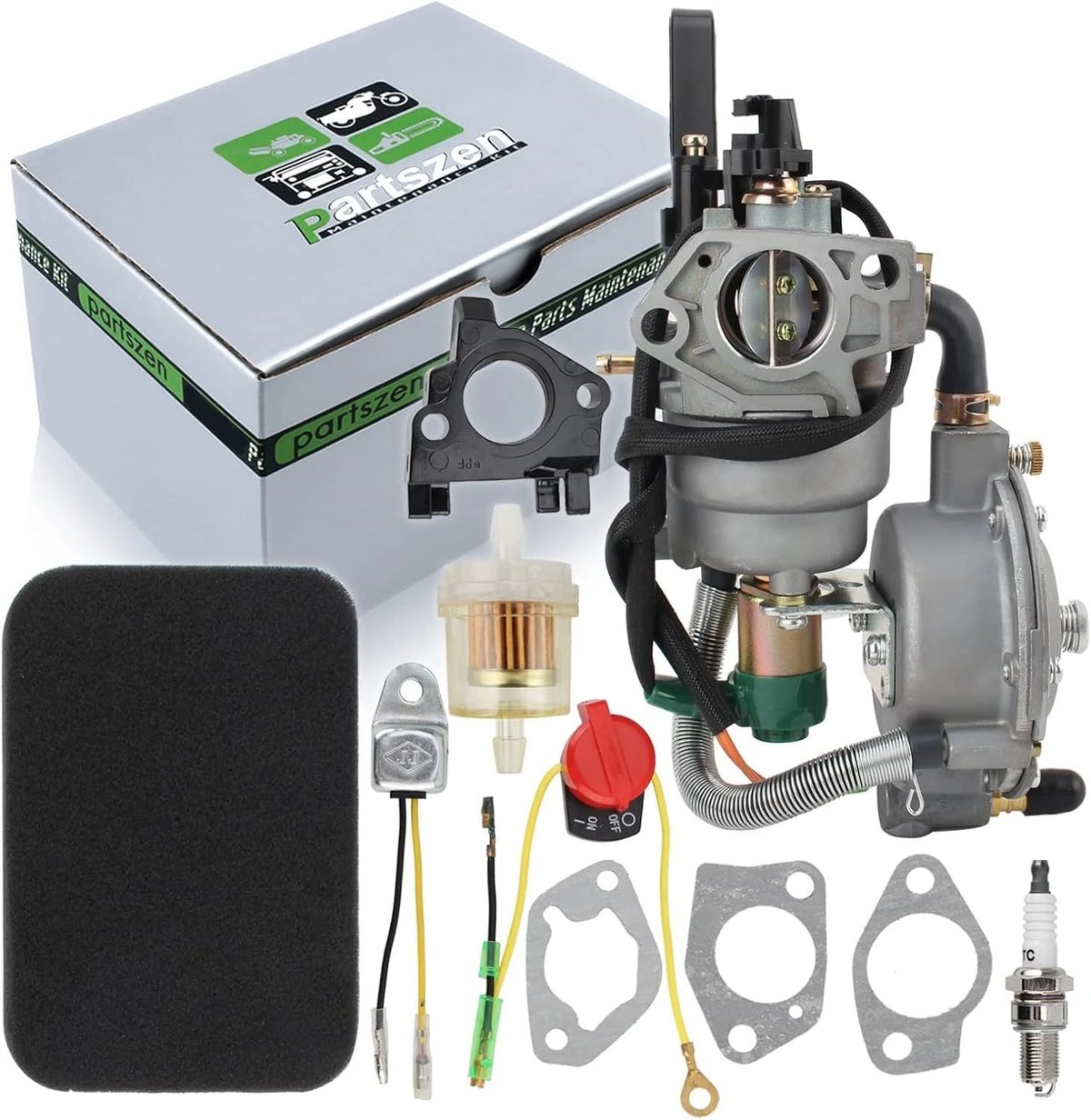
The low hum of a generator isn't just background noise; it's the sound of resilience, the reassuring beat of power flowing when the grid goes dark. But what happens when that hum falters, or worse, falls silent? More often than not, the culprit lies within its very lifeline: the fuel system and, particularly, the carburetor. Mastering Fuel System & Carburetor Repairs for Generators isn't just about fixing a machine; it's about restoring peace of mind and ensuring your essential power source is ready when you need it most.
For homeowners, small businesses, and anyone reliant on portable power, generator maintenance isn't a luxury – it's a necessity. From routine tune-ups to more complex overhauls, understanding the nuances of your generator’s fuel delivery is crucial. Tommy's Small Engine & Repair has seen it all, and the common thread through many breakdowns is often a neglected or misunderstood fuel system. This guide will equip you with the knowledge to diagnose, maintain, and even tackle some common repairs, transforming you from a worried owner into a confident operator.
At a Glance: Key Takeaways for Your Generator's Fuel System
- Fuel Quality is King: Stale, contaminated, or ethanol-heavy fuel is the leading cause of generator fuel system problems. Always use fresh, stabilized, and ideally ethanol-free gasoline.
- The Carburetor is Central: This intricate component mixes air and fuel. It's often the first casualty of poor fuel and a primary focus for troubleshooting.
- Start Simple, Be Thorough: Many issues can be resolved with basic visual inspections, fuel draining, and filter checks before diving into complex repairs.
- Preventative Care Pays Off: Regular maintenance—like cleaning the carburetor, replacing filters, and proper storage—significantly extends your generator's life and reliability.
- Know When to Call a Pro: Don't hesitate to seek expert help for complex electrical issues, internal engine damage, or if you're uncomfortable with a repair; safety always comes first.
Why Your Generator's Fuel System Becomes the Problem Child
Imagine trying to run a marathon on a diet of stale crackers and soda. Your generator feels the same way about bad fuel. The fuel system, encompassing the tank, fuel lines, filter, and carburetor, is a finely tuned pathway designed to deliver a precise blend of fuel and air to the engine's combustion chamber. When any part of this pathway is compromised, your generator will likely refuse to start, run poorly, or cut out unexpectedly.
The most frequent troublemakers are:
- Contaminated or Stale Fuel: Gasoline degrades over time, especially when stored for more than 30 days. It can separate, form varnish-like deposits, and attract moisture, leading to clogs and inefficient burning.
- Ethanol-Blended Fuels: While common for cars, ethanol in small engine fuel is a notorious carburetor killer. It attracts water, corrodes rubber and plastic components, and leaves behind gummy residues that clog tiny fuel passages. Many modern generators can use E10 (10% ethanol), but E0 (ethanol-free) is always preferred for long-term health.
- Clogged Lines and Filters: Over time, sediment from the fuel tank or degraded fuel can accumulate, blocking fuel lines and filters. A restricted fuel flow starves the engine, causing it to sputter or die.
- Carburetor Issues: The carburetor, with its delicate jets and passages, is highly susceptible to clogging from fuel varnish, dirt, or moisture. This is the heart of many "no start" or "rough running" complaints.
These issues directly lead to frustration: your generator failing to start when you need it most, running inefficiently, or struggling to maintain a steady output. It's why maintaining a pristine fuel system is paramount.
Decoding the Carburetor: Your Generator's Mixing Master
At the core of many generator problems lies the carburetor. This clever device doesn't just hold fuel; it precisely mixes fuel with air in the correct ratio for combustion. Think of it as the generator's sophisticated chef, ensuring the engine gets the perfect blend of ingredients for optimal power.
When a carburetor isn't performing, it's usually due to one of two reasons:
- It's Dirty: The tiny passages and jets inside get gummed up with fuel varnish, rust particles, or other debris. This restricts fuel flow, leading to lean conditions (too much air, not enough fuel) or outright blockages.
- It's Maladjusted: The carburetor has screws that control the fuel-air mixture. If these are out of whack, the engine might run too rich (too much fuel, not enough air) or too lean, causing poor performance.
Tommy's Small Engine Maintenance Services often include "needed carburetor adjustments and cleaning" because this single component is so vital and so prone to issues. Understanding its role empowers you to troubleshoot effectively.
DIY Troubleshooting: Your First Steps to Restoring Power
Before you reach for the toolbox or the phone, a systematic approach can help pinpoint—and often solve—many common generator fuel system problems.
1. The Power of Observation: A Thorough Visual Inspection
Start with your eyes. Many generator issues reveal themselves to the observant owner.
- Fuel Levels: This might sound obvious, but is there enough fresh fuel? A surprising number of "repairs" simply involve adding gas. Also, look at the fuel. Does it look cloudy, discolored, or have particles floating in it? That's a red flag.
- Fuel Line Integrity: Check for cracks, kinks, or leaks in the fuel lines running from the tank to the carburetor.
- Filters: Inspect the fuel filter (if equipped) for visible debris or discoloration. Is the air filter clean, or is it caked with dust and grime? A clogged air filter starves the engine of air, mimicking a rich fuel condition.
- Physical Damage: Look for anything unusual—loose wires, disconnected hoses, or signs of rodent damage.
2. Assessing Fuel Quality and Flow
This is where the rubber meets the road for fuel system troubleshooting.
- Drain Old Fuel: If your generator has sat for more than 30 days without stabilizer, or if the fuel looks suspicious, drain it. Empty the fuel tank completely and dispose of the old fuel responsibly.
- Replace Fuel Filter: Even if it doesn't look terrible, a compromised fuel filter can significantly restrict flow. This is a cheap and easy preventative step. If your generator has an inline fuel filter, replacing it can often solve sputtering or stalling issues.
- Check Fuel Flow to Carburetor: Disconnect the fuel line from the carburetor (ensure the fuel valve is open, if present) and place the end into a small, clean container. Fuel should flow out steadily. If it's a trickle or nothing, you have a blockage earlier in the system – likely the fuel filter or a clogged fuel line.
- Consider an Ethanol-Free Fuel Flush: If you suspect ethanol damage or have used stale fuel, flushing the system with fresh, ethanol-free gasoline and a fuel system cleaner can sometimes dislodge minor clogs.
Deep Dive: Carburetor Cleaning and Adjustment
If your generator still won't start or runs rough after addressing fuel quality and flow, the carburetor is likely the culprit. This is where delving into carburetor specifics becomes essential.
Why Carburetors Get Clogged
The internal passages of a carburetor are incredibly narrow, designed for precise fuel delivery. When gasoline evaporates, it leaves behind sticky varnish. Ethanol exacerbates this, drawing water into the fuel system and creating corrosive byproducts that can ruin rubber components and form white, powdery deposits. These residues, even tiny amounts, are enough to block jets and prevent proper fuel atomization.
Step-by-Step Carburetor Cleaning (for the DIY Enthusiast)
Safety First: Always disconnect the spark plug wire and turn off the fuel supply before beginning any carburetor work. Work in a well-ventilated area.
- Access the Carburetor: This usually involves removing the air filter housing and potentially some shrouds. Take photos as you go to remember how everything goes back together.
- Remove the Carburetor: Disconnect the fuel line, throttle linkage, and choke linkage. There will be mounting bolts that secure it to the engine.
- Disassemble the Float Bowl: Carefully remove the screws holding the float bowl to the bottom of the carburetor. Be prepared for a small amount of fuel to spill.
- Inspect the Float and Needle Valve: The float regulates fuel entry into the bowl. Ensure it moves freely and isn't cracked or fuel-logged. Check the needle valve for wear.
- Remove Jets and Passages: Using the appropriate screwdriver, carefully remove the main jet (usually in the center post of the float bowl) and any other accessible jets. Note their sizes and locations.
- Clean with Carburetor Cleaner: Spray carburetor cleaner generously into all passages, jets, and the float bowl. Use a thin wire (like a guitar string or a strand from a wire brush – never a drill bit) to gently clear any blocked holes in the jets.
- Pro Tip: Hold components up to the light after cleaning. You should be able to see through all the jet openings.
- Clean the Carburetor Body: Spray cleaner into all the small holes and passages in the main carburetor body. Pay special attention to the idle mixture screw passage and choke/throttle plate areas.
- Reassemble: Put everything back together in reverse order. Ensure gaskets are seated correctly. You may need a new float bowl gasket if the old one is damaged.
- Make Needed Carburetor Adjustments: Once reinstalled, your generator might require slight adjustments to the idle mixture screw (if accessible) to ensure smooth running. Start with the manufacturer's recommended settings (often 1.5-2 turns out from lightly seated) and fine-tune from there for the smoothest idle.
This detailed cleaning process, similar to what Tommy's Small Engine Repair offers with their "Carburetor Rebuild" service, can often revive a seemingly dead generator.
Beyond the Carb: Fuel System Flushing & Filter Replacement
Sometimes the issue isn't just the carburetor; it's the entire fuel delivery pathway. If you've had persistent fuel issues, especially with older, contaminated fuel, a full system flush is invaluable.
- Flushing the Fuel System: This involves more than just draining the tank. It means running a cleaning solution or fresh fuel through the entire system, from the tank to the carburetor, to remove stubborn varnish and debris that might be clinging to the inside of fuel lines or the tank itself. Tommy's service to "Flush Fuel System" is a comprehensive approach to eradicating these systemic contaminants.
- Replacing the Fuel Filter: As mentioned earlier, this is a quick win. Many generators have an inline fuel filter that can be easily swapped out. Some larger units might have a filter within the fuel tank itself or integrated into the fuel petcock. Always ensure you replace it with the correct type and size.
- Lubricating Linkage & Pivot Points: While not directly a fuel issue, neglected throttle and choke linkages can mimic fuel problems by preventing proper air/fuel mixture control. Light lubrication ensures these crucial parts move freely, allowing the carburetor to respond correctly to engine demands.
Preventative Maintenance: Your Generator's Best Friend
An ounce of prevention is worth a pound of cure, especially with generators. Regular maintenance significantly reduces the likelihood of encountering frustrating fuel system problems.
- Use Fresh, Ethanol-Free Gasoline: This is the golden rule for small engines. If ethanol-free isn't available, use a high-quality fuel stabilizer every time you fill the tank, even if you plan to use the fuel within a month.
- Proper Fuel Storage: Store gasoline in approved containers, away from direct sunlight, and in a cool, dry place. Don't buy more fuel than you can use within 3-6 months.
- Drain Tanks for Long-Term Storage: If your generator will be idle for more than 30 days, it’s best practice to drain the fuel tank completely and run the engine until it runs out of fuel. This empties the carburetor bowl, preventing varnish buildup. Alternatively, use a fuel stabilizer explicitly designed for long-term storage and run the engine for a few minutes to circulate it.
- Clean Carburetors Regularly: Even without a full disassembly, using a fuel system cleaner additive periodically (following product instructions) can help prevent deposits from forming. If you're handy, a yearly inspection and cleaning of the carburetor bowl can catch problems early.
- Replace Fuel Filters Annually: Or more frequently if your fuel source is questionable or you use your generator heavily.
- Check and Replace Air Filters: A clean air filter ensures your carburetor can draw in the necessary air, crucial for the right fuel-air mixture. Dirty filters can cause the engine to run rich and lose power.
By adhering to these simple practices, you can dramatically increase the reliability and lifespan of your generator's fuel system. For a comprehensive overview of general generator care, you might want to consult a full generator maintenance guide.
When to Call in the Pros for Generator Repairs
While many fuel system issues can be tackled by a confident DIYer, there are times when calling a professional like Tommy's Small Engine & Repair is the wisest—and safest—course of action. Knowing your limits protects both you and your equipment.
Consider professional help if:
- You've done the basics, and it's still not running right: You've cleaned the carburetor, replaced filters, and ensured fresh fuel, but the generator still struggles. This could indicate deeper issues.
- Complex Electrical System Failures: Problems with the alternator, voltage regulator, or control panel glitches are often beyond typical DIY repair and require specialized diagnostic tools and expertise.
- Internal Engine Damage: If you suspect issues like piston problems, valve damage, or excessive mechanical wear, it’s time for a professional. These require specialized tools and significant engine knowledge.
- Persistent Overheating: While simple causes like blocked cooling fins can be fixed, persistent overheating often points to more serious engine or load-related problems.
- Safety Concerns: If you're uncomfortable with any step of the repair process, or if the repair involves high-voltage components, always defer to a professional. Understanding generator safety is paramount.
- Lack of Specialized Tools: Some repairs require specific pullers, gauges, or diagnostic equipment that isn't practical for a homeowner to own.
Tommy's Small Engine Repair offers comprehensive services, including "Small Engine Repair" and "Carburetor Rebuild," indicating their expertise in these complex areas. Attempting repairs beyond your skill level can lead to costly damage or, more importantly, pose significant safety risks.
Extending Your Generator's Lifespan: Beyond Fuel
While the fuel system is critical, a holistic approach to maintenance will keep your generator running reliably for years. This includes:
- Scheduled Maintenance: Follow your manufacturer's recommended service schedule. This isn't just a suggestion; it's a roadmap to longevity. Regular oil changes (Tommy's drains and replaces engine oil), spark plug replacements, and air filter servicing are all vital.
- Operate Within Rated Capacity: Don't overload your generator. Consistently pushing it to its limits causes excessive wear and tear on all components, including the engine and electrical system.
- Store in Clean, Dry Environments: Protect your generator from the elements. Moisture and dust are enemies of electrical components and can lead to corrosion.
- Run Monthly for 20-30 Minutes: This simple exercise lubricates internal components, keeps seals supple, and circulates fluids, preventing parts from seizing up. Always do this with a light load, like a couple of lamps, to properly exercise the engine.
- Keep Detailed Maintenance Records: Document when you performed oil changes, spark plug replacements, carburetor cleanings, and other services. This helps you stay on schedule and diagnose future issues.
By taking these steps, you're not just fixing problems; you're building a relationship of reliability with your power source. To dive deeper into general generator upkeep, you can learn more about generator repairs and maintenance strategies.
Safety First: Essential Precautions During Generator Repair
Working with machinery, especially one that handles fuel and electricity, demands a serious commitment to safety. Neglecting precautions can lead to injury, fire, or further damage to your equipment.
- Disconnect Battery and Turn Off Fuel Supply: Before any repair, disconnect the negative battery terminal (if applicable) and turn off the fuel petcock or clamp the fuel line. This prevents accidental starting and fuel leaks.
- Work in Well-Ventilated Areas: Gasoline fumes are toxic and flammable. Carbon monoxide, a byproduct of engine operation, is colorless and odorless. Always work outdoors or in a very well-ventilated space when testing or running the generator.
- Wear Protective Gear: Gloves protect your hands from fuel, oil, and sharp edges. Safety goggles shield your eyes from splashes and flying debris.
- Keep a Fire Extinguisher Nearby: Accidents happen. Having a Class B fire extinguisher (suitable for flammable liquids) readily accessible is non-negotiable when working with fuel.
- Ensure the Generator is Stable: Work on a flat, stable surface. A wobbly generator can tip, causing spills or injuries.
- Allow Components to Cool: Hot engine parts can cause severe burns. Allow the generator to cool completely before attempting any repairs.
Your safety is always the priority. If a repair feels risky or beyond your comfort level, it’s always best to consult a professional technician.
The Power to Keep Power Flowing
A generator’s fuel system is its heart and soul. By understanding its components, knowing how to troubleshoot common issues, and committing to regular maintenance, you empower yourself to keep your generator running smoothly. From using fresh, ethanol-free fuel to performing routine carburetor cleanings and knowing when to call an expert like Tommy's Small Engine & Repair, you're investing in reliability.
Don't wait for the next power outage to discover your generator's Achilles' heel. Proactive care, informed action, and a healthy respect for safety are the keys to ensuring your reliable power source is always ready to deliver. Stay prepared, stay powered.
Untuk pemahaman lebih lengkap, baca panduan utama kami: Learn more about generator repairs