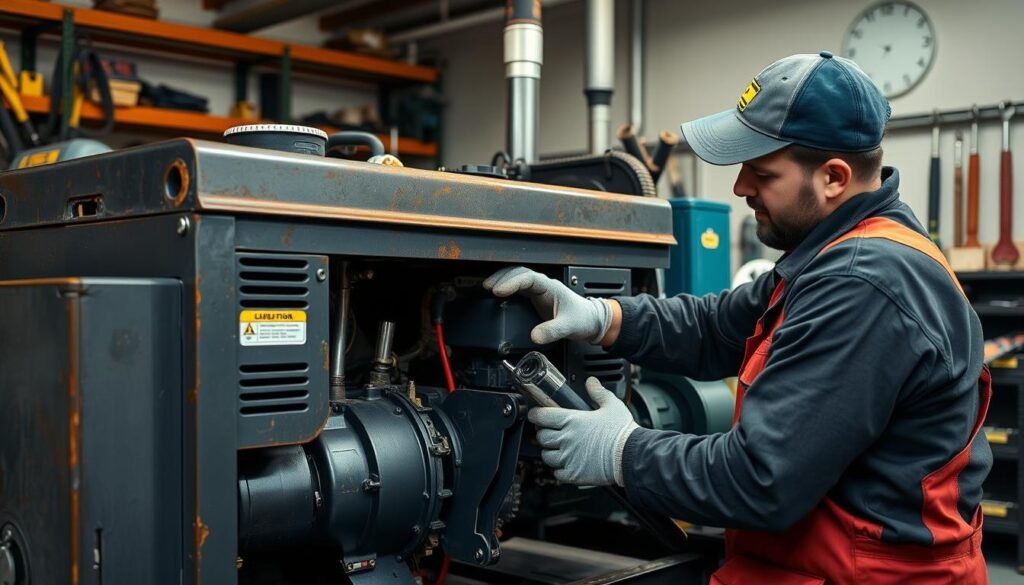
When the lights go out, your generator is more than just a convenience—it's a lifeline. But what happens when it needs a lifeline? Understanding generator repair cost, quotes, and service selection is crucial for keeping your backup power reliable without breaking the bank. From a simple tune-up to a major overhaul, costs can swing wildly, typically ranging from a minor $50 fix to a substantial $2,500 for complex malfunctions. Navigating these waters requires a clear head, a keen eye for detail, and the right professional by your side.
This guide will equip you with the knowledge to make informed decisions, understand what influences pricing, and find reliable service, ensuring your generator is always ready when you need it most.
At a Glance: Key Takeaways for Generator Repair
- Cost Spectrum: Expect repair costs to range from $50 for minor fixes (like a spark plug or filter change) up to $2,500 for major engine or stator issues.
- Maintenance Matters: Annual maintenance plans typically run $200 to $650, significantly reducing the likelihood of costly major repairs.
- Key Cost Drivers: Generator size, repair complexity, parts availability, and local labor rates are the biggest influencers.
- Component-Specific Costs: Repairs for critical parts like stators, rotors, or engine components can be particularly expensive, often hundreds to over a thousand dollars.
- Portable vs. Standby: Portable generator maintenance is usually less expensive ($50-$150 annually), while larger standby units require more comprehensive professional servicing ($200-$1,000+).
- Get Multiple Quotes: Always compare estimates from several qualified technicians to ensure fair pricing and transparent service.
- Know When to Replace: If repair costs approach or exceed 50% of a new generator's price, it might be time to consider replacement.
Unpacking Generator Repair Costs: What Influences the Price Tag?
Understanding why generator repair costs vary so much is the first step to managing them effectively. It’s rarely a flat fee; instead, it’s a mosaic of factors that come together to form the final bill.
At its core, a generator is a complex piece of machinery, and its repair cost reflects the intricacy of the issue, the parts required, and the expertise needed to fix it. Minor repairs, such as replacing a worn belt or clogged filter, are often quick and inexpensive. However, issues involving core components like the engine or electrical system can necessitate significant time, specialized tools, and expensive parts.
The Big Picture: Factors Influencing Repair Costs
Several elements conspire to set the price for your generator repair. Knowing these can help you anticipate expenses and ask the right questions when getting a quote.
- Generator Size and Power Output: Think of it like cars: repairing a compact sedan is usually less costly than a heavy-duty truck. Larger generators, especially those with higher kilowatt (kW) ratings, often have more complex designs, larger components, and specialized parts that drive up repair costs.
- Repair Complexity: A simple diagnostic check or a quick part swap is on the low end. Extensive repairs involving multiple components, deep engine work, or intricate electrical troubleshooting will naturally require more labor and expertise, pushing costs higher.
- Component Availability and Cost: For popular generator brands and models, parts are usually readily available and reasonably priced. However, for older, discontinued, or highly specialized generators, sourcing parts can be a challenge, sometimes requiring custom fabrication or costly expedited shipping. This directly impacts your overall repair expense.
- Specific Issues at Hand: A quick fix for a loose connection or a dirty carburetor will be much cheaper than tackling a seized engine or a faulty stator. Different problems demand different levels of intervention.
A Closer Look: Specific Component Repair Costs
To give you a clearer picture, let's break down the typical costs associated with repairing specific parts of a generator. These figures generally include both parts and labor, but it's always wise to ask for a detailed breakdown in your quote.
- Stator and Rotor Repairs: $250 to $2,500
These are the heart of your generator, responsible for creating the electric current. Issues here can range from minor rewinding needs to full component replacement, leading to a wide cost range. - Carburetor Repair: $100 to $500
For gasoline generators, the carburetor mixes fuel and air. A simple cleaning for minor issues might be as low as $50, but a complete replacement due to significant damage or clogging will push you towards the higher end of this range. - Engine Repair: $150 to $2,000
The engine powers the generator. Minor fixes, like spark plug replacement or valve adjustments, are at the lower end. Major issues, such as cylinder damage, piston replacement, or a complete engine overhaul, will easily reach the higher end. In some cases, a full engine replacement might even be considered. - Voltage Regulator Replacement: $100 to $800+ (plus labor)
This vital component stabilizes the electrical output and protects your appliances from surges. The part itself can vary significantly in price, and installation time can add to the total. - Transfer Switch Repair/Replacement: $50 to $2,500
For standby generators, the transfer switch automatically connects your generator to your home's electrical circuit when the power goes out. Minor repairs might be $50 to $400, but a full replacement, including the sophisticated part and the specialized labor, can cost $400 to $2,500.
The Preventative Measure: Understanding Generator Maintenance Costs
Often, the most "expensive" repair is the one that could have been avoided with routine maintenance. Think of generator maintenance as health insurance for your backup power system. Annual maintenance plans are a smart investment, helping you catch minor issues before they escalate into major, costly repairs.
Annual maintenance typically costs $200 to $650 on average, but this can fluctuate based on your generator type and size.
Maintenance Costs by Generator Type (Annual Average):
Different types of generators have varying maintenance needs and associated costs:
- Portable Generators (7-10 kW): $50 to $150
These smaller units are often easier to maintain. Many owners can handle basic tasks like checking fuel levels, topping off oil, and changing air filters themselves, reducing professional service frequency and cost. However, it's still wise to have a professional look at it annually. Understanding the different types of generators can help you manage expectations. - Propane Generators: $200 to $600
Propane generators tend to have less frequent repair needs compared to gasoline units because propane burns cleaner. However, when parts do need replacing, they can sometimes be more expensive. - Natural Gas Generators: $200 to $650
Similar to propane generators, natural gas units often require less frequent repairs due to their clean-burning fuel. Regular professional checks ensure gas line integrity and optimal performance. - Gas or Diesel Generators: $200 to $1,000
These generators, especially diesel, demand more frequent servicing. Fuel system clogs, oil changes, and leak prevention are critical due to fuel degradation. Regular maintenance for these units is non-negotiable to prevent significant issues. - Large Engine-Driven Generators (30-45 kW): $350 to $600
As you step up to larger, more complex standby systems, professional diagnostics and comprehensive tune-ups become essential. These systems involve more intricate components and require specialized expertise. If you're considering standby generator installation costs, factor in this ongoing maintenance.
What Does Generator Maintenance Include?
Professional maintenance is more than just an oil change. It's a thorough inspection designed to keep your unit running efficiently and reliably. A typical maintenance service includes:
- Scheduled inspections: Visual checks for wear, leaks, or damage.
- Tune-ups: Adjustments to optimize performance.
- Part replacements: Oil and filter changes (oil filter, air filter, fuel filter).
- Spark plug replacement.
- Battery checks: Ensuring the starting battery is charged and healthy.
- Load testing: Running the generator under load to verify its capacity.
- Gas line examination: For natural gas/propane units, checking for leaks or issues.
- Cleaning: Regulator, air cooler, and other components to ensure proper airflow.
The Importance of Regular Run Time
Even if you don't lose power, your generator needs exercise. Running your generator for 20 to 30 minutes monthly (or as recommended by the manufacturer) is crucial. This circulates fluids, lubricates parts, burns off old fuel, and helps identify potential issues early, preventing costly repairs down the line. It's one of the essential generator maintenance tips you can do yourself.
Beyond the Parts: Other Key Factors Affecting Overall Repair Costs
While component failures are a primary driver, several other factors can significantly influence your final repair bill.
- Labor Rates: Just like any skilled trade, technician labor rates vary considerably by location and the technician's experience. Expect higher rates in urban areas or for highly specialized technicians.
- Frequency of Use: A generator that runs frequently, whether for backup power or primary use, experiences more wear and tear, increasing the likelihood of repairs. Conversely, a generator that never runs can suffer from issues like battery failure, corrosion, or stale fuel, leading to problems when you finally need it.
- Component Accessibility: If a faulty part is buried deep within the generator, requiring extensive disassembly to reach, labor hours will naturally increase.
- Age and Condition of the Unit: Older generators, especially those with a history of deferred maintenance, are prone to more frequent and substantial repair expenses. Parts for vintage models can also be harder to find.
- Parts Availability: For common models, parts are usually readily available. However, for older or less common units, specialty parts might need to be ordered, leading to higher costs and potential delays.
- Warranty Status: A generator still under warranty can save you significantly on major component costs. However, warranties typically cover manufacturing defects, not routine maintenance or issues arising from neglect. Always check your warranty details before scheduling a repair.
The Repair & Maintenance Service Equation: What to Expect
When your generator signals distress, knowing what happens next and who to call can make all the difference.
How Long Do Repairs Take?
Most common generator repairs can be completed fairly quickly, often taking 1 to 5 hours. Quick fixes, like replacing a spark plug or air filter, can be done in under an hour. More involved repairs, such as replacing a voltage regulator or troubleshooting an electrical issue, might take a few hours. Major replacements, like an engine component or a full stator, could require most of a workday, sometimes even longer if specialized parts need to be ordered.
Who Should Repair Your Generator?
This isn't a DIY project for most major issues. You need qualified professionals.
- Qualified Generator Repair Technicians: These specialists have specific training and certifications for various generator types and brands.
- Licensed Electricians: For issues related to the transfer switch, electrical connections, or the generator's integration with your home's electrical system, a licensed electrician is essential, especially for standby units.
- Certified Service Providers: For complex standby systems, always opt for certified service providers who are authorized by the generator manufacturer. They have access to genuine parts, specific diagnostic tools, and up-to-date training.
What is "Maintenance"?
Maintenance isn't just fixing things when they break; it's preventing them from breaking. It involves a schedule of inspections, tune-ups, and part replacements (e.g., oil and filter changes, spark plug replacement, air filter cleaning, battery checks, load testing, gas line examination, cleaning regulator/air cooler). It's proactive care, not reactive repair.
Finding the Right Pro: Getting Quotes and Selecting Service
Choosing the right technician is as important as understanding the costs. A good technician offers transparency, expertise, and fair pricing.
Smart Strategies for Hiring Technicians:
- Compare Estimates: Always obtain detailed estimates from at least 2-3 local technicians. This allows you to compare not just the bottom line, but also the breakdown of labor and part costs. Beware of significantly lower quotes that might omit necessary steps or use inferior parts.
- Scrutinize Reviews and Ask for References: Check online customer feedback on platforms like Google, Yelp, or local community forums. Ask the technician for references from previous clients.
- Inquire About Minimum Charges: Some technicians have a minimum service charge, even for a quick diagnostic visit. Clarify this upfront to avoid surprises. Also, ask about potential hidden fees.
- Verify Licensing and Experience: Ensure the technician is properly licensed for electrical work if necessary and has specific experience with your generator's brand and type.
- Request Written Estimates: Always insist on a written estimate detailing parts, labor, and expected timelines before any work begins.
- Emergency Service: Ask how they handle emergency repairs. Do they offer 24/7 service? Is there an additional charge for after-hours calls?
- Maintenance Packages: If you're considering a maintenance plan, ask what it includes (parts, labor, specific checks) and what the annual cost is.
- Warranty on Repairs: Inquire about the warranty provided for replacement parts and the labor performed. A reputable technician will stand behind their work.
- Turnaround Time: For major repairs, ask about the estimated turnaround time, especially if parts need to be ordered.
- Service Checklist/Invoice: A professional technician should provide a detailed service checklist or invoice after the work is done, outlining everything that was performed, parts used, and any recommendations.
When Repair Becomes Replacement: Making the Tough Call
Sometimes, pouring money into an old, failing generator isn't the most cost-effective solution. There comes a point where repair costs outweigh the value and reliability of the unit.
Consider replacement if:
- Repair costs exceed 50% of the cost of a new unit. This is a common rule of thumb. For example, if your old portable generator needs $1,500 in repairs, and a new, more efficient model costs $2,000, replacement might be the smarter choice.
- Your generator is old and constantly breaking down. Frequent repairs, even small ones, add up quickly and indicate the unit is nearing the end of its lifespan.
- Parts are difficult or impossible to find. This can lead to extended downtime and inflated repair costs.
- Your power needs have changed. Perhaps you need a larger generator, or a more fuel-efficient or quieter model.
If you're facing substantial repair bills on an old or unusable unit, exploring options for a new generator is wise. A new portable generator can range from $900 to $3,800 installed, offering modern features, improved efficiency, and a fresh warranty. For comprehensive home backup, a new whole-house generator (installed) typically costs between $6,000 and $11,000, providing seamless, automatic power during outages. Before making a decision, you might want to look at our buying a new portable generator guide.
Ultimately, the decision to repair or replace involves weighing the immediate financial outlay against the long-term reliability and cost of ownership.
FAQs: Quick Answers to Common Generator Repair Questions
How often should I service my generator?
Most manufacturers recommend annual professional servicing for standby generators and at least once a year (or after specific run hours) for portable units. Regular maintenance is key to preventing major breakdowns and extending its life.
Can I repair my generator myself?
For minor tasks like checking oil levels, cleaning the exterior, or topping off fuel, yes. However, for anything involving electrical components, engine mechanics, or fuel systems, it's highly recommended to use a qualified, licensed technician to ensure safety and proper function. Attempting complex repairs yourself can void warranties or cause further damage. If you're encountering common generator problems and troubleshooting and aren't sure how to proceed, call a pro.
What are common signs my generator needs repair?
Look out for failure to start, unusual noises, smoke (especially colored smoke), flickering lights when under load, fuel or oil leaks, or an indicator light on the control panel. Any deviation from normal operation warrants inspection.
Is generator repair covered by home insurance?
Generally, no. Homeowner's insurance typically covers damage caused by a generator (e.g., if it starts a fire), but not the repair of the generator itself due to mechanical failure or wear and tear. Always check your specific policy.
How long do generators typically last?
With proper maintenance, a portable generator can last 10-20 years, while a high-quality standby generator can last 20-30 years or even longer, often measured in thousands of operating hours.
Your Next Steps for Reliable Power
Navigating generator repair costs and service selection doesn't have to be a shot in the dark. Armed with the insights from this guide, you're now better prepared to understand estimates, ask the right questions, and make informed decisions. Remember, proactive maintenance is your best defense against costly repairs, and choosing a reputable, qualified technician is paramount.
Don't wait for the next power outage to discover your generator's reliability (or lack thereof). Take action today to ensure your backup power system is always ready to perform. Need more assistance finding the right service? Explore generator repair services that can connect you with trusted professionals in your area.