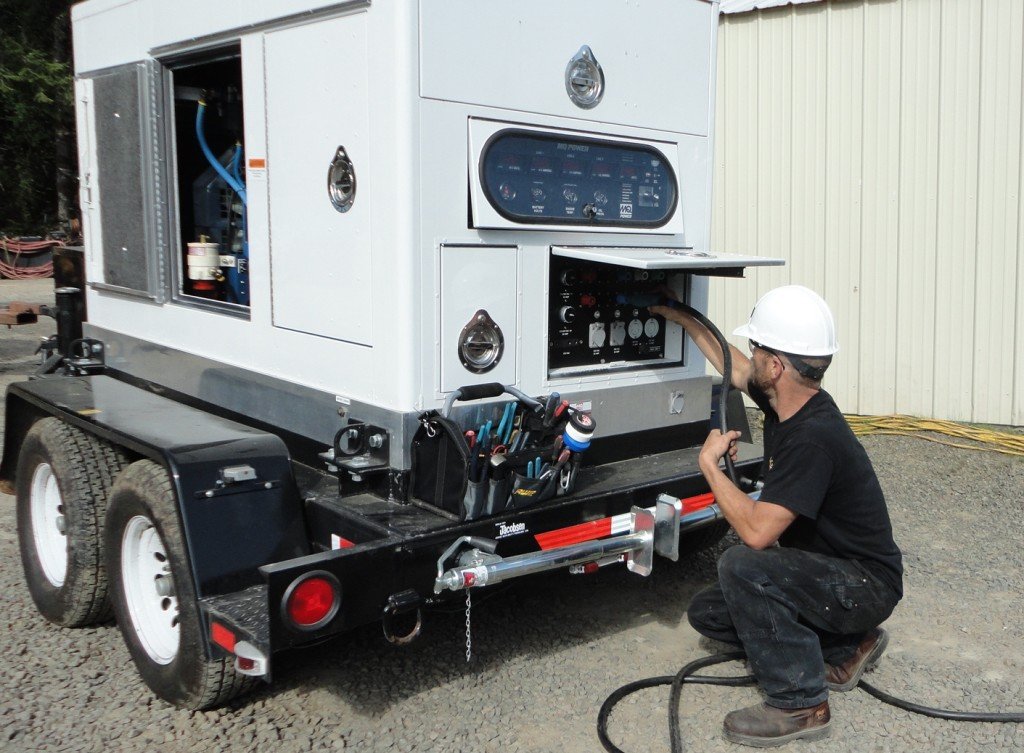
When the grid falters, your generator stands ready. But for that readiness to be more than a promise, understanding Generator Repair Parts & Component Sourcing is paramount. It’s not just about fixing what’s broken; it’s about investing in the long-term reliability and safety of your power supply. Skimping on quality here is a gamble you simply can’t afford.
This guide is for anyone who depends on a generator – from facility managers and industrial operators to homeowners seeking ultimate peace of mind. We’ll cut through the jargon and equip you with the knowledge to make smart, informed decisions about generator maintenance and parts sourcing, ensuring your power stays on when it matters most.
At a Glance: Key Takeaways for Smart Sourcing
- Genuine is Gold: High-quality, genuine parts are crucial for efficiency, lifespan, and safety. Cheaper alternatives often lead to more problems.
- Know Your Generator: Always identify the exact part number, manufacturer, and model before sourcing. Your manual is your best friend.
- Source Wisely: Authorized distributors are safest for genuine parts. Vetted independent suppliers can be good but require diligence. Online marketplaces are risky.
- Core Components Count: Engine and alternator parts are critical and often complex. Understand what commonly needs replacing.
- Prevention Pays Off: A robust preventative maintenance schedule dramatically reduces the need for emergency repairs and parts.
- Trust Expertise: Don't hesitate to consult qualified technicians for diagnosis, repair, and parts advice.
Beyond the Breakdown: Why Quality Parts Are Your Generator's Lifeline
Imagine a critical operation grinding to a halt because of a generator failure. Or worse, a safety hazard emerging from a poorly fitted component. These aren't just hypothetical scenarios; they're the real-world consequences of neglecting generator maintenance and, critically, compromising on the quality of its replacement parts.
Your generator isn't merely a machine; it's a complex system where every component plays a vital role. For an uninterrupted power supply, especially in sectors where reliability is non-negotiable, the engines and alternators that power these units demand meticulous care. When a part shows wear or damage, replacing it isn't just a fix – it's an imperative for operational continuity and safety.
The Hidden Costs of Cutting Corners
It's tempting to opt for the cheapest option when sourcing a replacement part. After all, a part is a part, right? Wrong. The difference between a genuine, high-quality spare part and a cheaper, non-genuine alternative can be staggering. Opting for the latter often leads to a cascade of problems:
- Reduced Efficiency: Non-genuine parts might not fit perfectly or operate optimally, leading to increased fuel consumption and diminished power output.
- Premature Wear & Tear: Components designed with inferior materials or less precise specifications wear out faster, meaning you're back to square one sooner rather than later.
- Frequent Breakdowns: An ill-fitting or substandard part can put undue stress on other components, triggering a domino effect of failures.
- Voided Warranties: Many generator manufacturers stipulate that using non-genuine parts will void your warranty, leaving you exposed to full repair costs.
- Safety Hazards: This is perhaps the most critical concern. Substandard parts can lead to overheating, leaks, or even catastrophic failures, posing risks to personnel and property.
Investing in genuine parts might mean a higher upfront cost, but it's an investment that pays dividends in long-term reliability, minimal downtime, reduced repair expenses, and, most importantly, enhanced operational safety. It’s about ensuring your generator runs efficiently, predictably, and safely for years to come.
Navigating the Sourcing Maze: Your Step-by-Step Guide to Finding the Right Parts
Finding the correct generator repair part isn't a shot in the dark; it's a methodical process. Follow these steps to ensure you acquire the right component, every time, reducing headaches and costly mistakes.
Step 1: Pinpointing the Exact Need
Before you even think about contacting a supplier, you need absolute clarity on what you’re looking for.
- Consult Your Manual: Your generator’s maintenance manual is a goldmine of information. It contains exploded diagrams, part numbers, and precise specifications for every component. This is your primary reference.
- Lean on Expertise: If the manual isn't clear or you're unsure about the diagnosis, a qualified generator technician can accurately identify the specific part needed, saving you time and money. They can also offer insights into common generator repairs and troubleshooting.
Having the exact part number and specifications (e.g., dimensions, voltage, material) prevents compatibility issues down the line.
Step 2: Knowing Your Machine's Pedigree
Generators aren't one-size-fits-all. Different manufacturers use varying designs and component specifications.
- Manufacturer & Model: Always identify the generator's manufacturer (e.g., Cummins, Caterpillar, Perkins, Generac) and its specific model number. This information is typically found on a nameplate or decal on the generator chassis.
- Engine & Alternator Sub-Models: Sometimes, the engine and alternator themselves might have distinct manufacturers and model numbers, especially in multi-brand assemblies. Be prepared to provide these details as well.
This crucial information ensures you get parts designed to integrate seamlessly with your specific unit.
Step 3: Choosing Your Supplier Wisely
Where you source your parts is as important as the part itself. The supplier can dictate quality, authenticity, and support.
- Authorized Distributors: The Gold Standard
- Pros: Offer the highest assurance of quality and compatibility, selling exclusively genuine parts. You get manufacturer warranties and access to technical support.
- Cons: Often have higher prices and may have longer lead times for niche parts.
- Best for: Critical components, warranty-sensitive repairs, and when peace of mind is paramount.
- Independent Suppliers: A Balanced Approach
- Pros: Can offer a wider selection, potentially including both genuine and high-quality aftermarket options, often at competitive prices. Many, like WIBA GENERATORS, specialize in comprehensive power solutions and parts for various brands.
- Cons: Quality can vary. Requires diligent vetting to ensure they supply genuine or reputable aftermarket products.
- Best for: When comparing options, seeking specialized expertise, or needing parts for older models where authorized channels might be limited. Always verify their reputation and product guarantees.
- Online Marketplaces: Proceed with Extreme Caution
- Pros: Convenience and potentially the lowest prices.
- Cons: Pose the highest risk for counterfeit, substandard, or incorrectly advertised products. Warranties might be non-existent.
- Best for: Non-critical components where authenticity is less vital, or when dealing with highly reputable, verified sellers with strong return policies. Always exercise extreme caution, read reviews, and check seller ratings.
Step 4: Verifying Authenticity and Quality
Once you've identified potential parts, don't just take them at face value.
- Request Documentation: Ask for certificates of conformity, manufacturer's warranties, and proof of origin. Genuine parts often come with unique serial numbers or branding.
- Thorough Inspection: Before acceptance, inspect the parts meticulously for any signs of damage, defects, or tampering. Check for consistent branding, finish, and packaging quality. A genuine part will look and feel like a precision-engineered component.
Step 5: Comparing Value, Not Just Price
Obtain quotes from multiple reputable suppliers. However, don't let price be your sole deciding factor.
- Weigh Quality & Reputation: A slightly higher price from an authorized distributor or a highly reputable independent supplier like WIBA GENERATORS often translates to superior part quality, reliability, and invaluable technical support.
- Consider Lead Times: A low price is useless if the part takes weeks to arrive and your generator is down. Factor in the urgency of your need and the supplier's estimated delivery time.
- Technical Support: Does the supplier offer technical advice or post-purchase support? This can be invaluable, especially for complex components.
By following these steps, you build a robust sourcing strategy that prioritizes reliability, longevity, and ultimately, your generator's uninterrupted performance.
The Heart of Your Power: Essential Engine and Alternator Components
The engine and the alternator are the twin pillars of your generator, converting fuel into mechanical energy and then into electrical power. Naturally, these are the most complex and often expensive parts to repair or replace. Understanding their common wear items is key to proactive maintenance.
Engine Components: The Powerhouse's Vital Organs
The engine is a symphony of moving parts, all subject to wear. Regular checks and timely replacements are critical.
- Filters (Oil, Air, Fuel): The first line of defense against contaminants. Clogged filters reduce efficiency, increase wear, and can lead to engine damage. Regular replacement (as per manufacturer recommendations) is non-negotiable.
- Injectors: Deliver fuel precisely into the combustion chambers. Worn or dirty injectors can cause poor fuel economy, reduced power, and rough running.
- Pistons and Rings: Form the combustion chamber and seal it. Wear here leads to compression loss, excessive oil consumption, and reduced power.
- Cylinder Heads: Contain the valves and combustion chambers. Issues like cracks or warping can cause coolant leaks and loss of compression.
- Gaskets and Seals: Prevent fluid leaks and maintain internal pressures. Over time, they can degrade, leading to oil, fuel, or coolant leaks.
- Fuel Pumps: Deliver fuel from the tank to the engine. Failures here lead to fuel starvation and engine shutdown.
- Water Pumps: Circulate coolant to prevent overheating. A failing water pump can quickly lead to engine damage from excessive heat.
- Starters: Engages the engine to start it. A faulty starter means your generator won't fire up.
- Alternator (for Charging Starting Battery): Distinct from the main power-generating alternator, this small unit keeps your generator's starting battery charged. If it fails, your generator won't start when needed.
Alternator Components: Where Electricity Takes Shape
The alternator transforms mechanical energy into usable electricity. Its components are largely electrical but still subject to wear and tear.
- Voltage Regulators: Maintain a steady output voltage regardless of load. A faulty regulator can lead to voltage fluctuations, damaging connected equipment.
- Rectifiers: Convert the alternating current (AC) generated by the windings into direct current (DC) for the voltage regulator. Diodes in the rectifier can fail.
- Bearings: Allow the rotor to spin smoothly within the stator. Worn bearings cause noise, vibration, and can lead to stator/rotor damage.
- Windings (Stator & Rotor): The core components that generate electricity. Damage (e.g., from overheating or short circuits) usually requires professional rewinding or replacement.
- Brushes: Conduct current to the rotor windings in some alternator designs. They wear down over time and need periodic replacement.
- Automatic Voltage Regulators (AVR): A more sophisticated type of voltage regulator, crucial for maintaining stable output voltage and frequency, especially under varying loads. Failures can lead to significant power quality issues.
Regular inspections, listening for unusual noises, and monitoring performance indicators are key to catching issues with these core components before they lead to catastrophic failures.
WIBA GENERATORS: A Trusted Partner in Power Reliability
When it comes to sourcing quality generator repair parts and receiving expert support, the reputation and experience of your supplier matter immensely. This is where brands like WIBA GENERATORS distinguish themselves.
For over two decades—with its CEO and team boasting 26 years of combined experience—WIBA GENERATORS has been a multinational powerhouse, acting as a Dynamic Power Generator Expert across Europe, the Middle East, and Africa. They don't just sell generators; they offer a holistic suite of services including renting, maintaining, and, critically, supplying ricambi di qualità per motori e alternatori (quality spare parts for engines and alternators).
What sets WIBA GENERATORS apart?
- Extensive Experience: Their long tenure in the industry translates into deep knowledge of diverse generator brands and models, and an understanding of the critical role quality parts play.
- Global Reach, Local Touch: Operating across three continents gives them a vast network and logistical capability, ensuring parts can be sourced and delivered efficiently. Yet, their commitment to customer satisfaction means personalized service for every client.
- Reliable Products: WIBA GENERATORS prides itself on supplying only quality spare parts, understanding that the longevity and performance of your generator depend on it. They prioritize genuine and high-standard aftermarket options.
- Customized Power Solutions: Beyond parts, they offer tailored solutions, understanding that every client's power needs are unique. This integrated approach means they see the bigger picture, not just individual components.
For those navigating the complexities of generator maintenance and repair part sourcing, partnering with a seasoned expert like WIBA GENERATORS can provide invaluable peace of mind and ensure the uninterrupted, reliable power supply you depend on.
Genuine vs. Aftermarket: Making the Smart Choice for Your Generator
The debate between genuine (OEM - Original Equipment Manufacturer) and aftermarket parts is a perennial one. Both have their place, but understanding their differences is vital for making an informed decision that aligns with your operational needs and budget.
| Feature | Genuine (OEM) Parts | Aftermarket Parts |
|---|---|---|
| Source | Authorized manufacturer distributors | Independent suppliers, third-party manufacturers |
| Quality Assurance | Guaranteed to meet original design and material standards | Variable; depends heavily on the supplier/manufacturer |
| Fit & Compatibility | Perfect fit, guaranteed compatibility | May require modifications, compatibility not guaranteed |
| Reliability | High, engineered for specific generator model | Variable; can range from poor to excellent |
| Lifespan | Longer, designed for extended durability | Variable; potentially shorter depending on quality |
| Warranty | Typically comes with manufacturer's warranty | Limited or no warranty |
| Upfront Cost | Generally higher | Generally lower |
| Long-term Cost | Lower due to increased reliability, longevity, and reduced breakdowns | Potentially higher due to frequent replacements, inefficiency, and potential damage to other components |
| Recommendation | Essential for critical components, warranty adherence, and maximizing generator life | Viable for non-critical parts if from a reputable brand and meeting specifications |
| When to Choose Genuine: | ||
| For critical components like engine blocks, alternators, fuel injectors, or complex control boards, genuine parts are almost always the superior choice. They guarantee perfect fit, optimal performance, and reliability, safeguarding your generator's warranty and overall lifespan. The slightly higher upfront cost is an investment in minimizing downtime and avoiding costly secondary failures. | ||
| When Aftermarket Might Be Considered: | ||
| High-quality aftermarket parts can be a viable option for non-critical components, such as certain filters, belts, or seals, provided they come from a highly reputable independent supplier. The key word here is "reputable." If considering aftermarket, thoroughly vet the supplier and ensure the parts meet or exceed the required specifications. Avoid cheap, unbranded aftermarket options at all costs; they compromise performance, reliability, and can introduce significant safety risks. Organizations like the Electrical Generating Systems Association (EGSA) emphasize the importance of quality in all generator components, regardless of source. | ||
| The ultimate goal is long-term reliability. Sometimes, saving a few dollars upfront with a low-quality aftermarket part can quickly lead to more expensive problems down the road. |
Prevention is the Best Medicine: Minimizing Your Need for Parts
The best way to manage generator repair parts sourcing is to need fewer parts in the first place. A robust preventative maintenance (PM) program is the cornerstone of generator longevity and reliability, significantly reducing the likelihood of unexpected failures and emergency part replacements.
Elements of a Comprehensive Preventative Maintenance Program:
- Regular Inspections: Visually check for leaks, loose connections, unusual wear, and cleanliness. A keen eye can spot potential issues before they escalate.
- Oil and Filter Changes: Engine oil degrades over time and filters get clogged. Regular replacement ensures proper lubrication and prevents contaminant buildup, just like in your car.
- Coolant Checks: Ensure coolant levels are adequate and the coolant itself is clean and free of contaminants. Overheating is a major cause of engine damage.
- Battery Testing: The starting battery is crucial. Test its charge and condition regularly. Clean terminals and ensure connections are tight.
- Fuel System Cleaning: Fuel quality is paramount. Regularly check for water or sediment in the fuel tank and consider fuel polishing to prevent filter blockages and injector issues.
- Load Bank Testing: Periodically run your generator at or near its rated load. This helps prevent "wet stacking" (unburnt fuel buildup) in diesel generators and ensures all components function correctly under stress.
- Scheduled Replacement of Wear Items: Belts, hoses, and certain gaskets have a finite lifespan. Replace them proactively according to manufacturer recommendations, even if they appear fine, to avoid unexpected failures.
Tailoring Your Maintenance Schedule
The frequency of these tasks isn't universal. It depends heavily on:
- Generator Type and Model: Different manufacturers have specific recommendations.
- Operating Conditions: Generators in harsh environments (dusty, extreme temperatures) or those running continuously will require more frequent attention.
- Usage Patterns: Standby generators used rarely need different schedules than prime power units running daily.
Always consult a qualified generator technician to tailor a preventative maintenance schedule specific to your generator, its operating environment, and its usage. Their expertise will ensure your program is effective and compliant with manufacturer guidelines.
Remember, the replacement frequency for spare parts themselves is also dictated by these factors: the specific part type, the operational conditions it endures, and the manufacturer's recommended service intervals. Sticking to these guidelines is your best defense against premature part failure.
When Trouble Strikes: What to Do in a Generator Breakdown
Despite the best preventative measures, generators can still encounter issues. When a breakdown occurs, quick and decisive action is essential to minimize downtime and prevent further damage.
Immediate Steps for a Generator Breakdown:
- Safety First: Ensure the generator is shut down and isolated from the electrical supply to prevent injury or further damage.
- Gather Information: Note down any error codes, unusual noises, smells, or visual cues that preceded or accompanied the breakdown. This information is invaluable for diagnosis.
- Consult Your Manual: The troubleshooting section of your generator's manual often provides initial guidance for common issues.
- Resist DIY Temptation (for complex issues): Unless you are a certified generator technician, avoid attempting complex repairs. Tampering with sophisticated systems can void warranties, exacerbate the problem, and create safety hazards.
The Role of a Qualified Generator Technician
When your generator breaks down, the single most important step is to contact a qualified generator technician. These professionals possess:
- Diagnostic Expertise: They have the tools and knowledge to accurately identify the root cause of the problem, whether it's an engine issue, an alternator fault, or a control system malfunction.
- Specialized Tools: Modern generators require specialized diagnostic equipment that most laypersons do not possess.
- Safety Training: They are trained to work safely with high-voltage electrical systems and heavy machinery.
- Access to Resources: Technicians often have direct access to manufacturer service bulletins, training, and genuine spare parts networks.
A technician can swiftly diagnose the issue, recommend the exact parts needed, and perform the repair efficiently and safely. This ensures your generator is back online quickly and reliably, giving you peace of mind.
Powering Forward with Confidence
Reliable power isn't a luxury; it's a necessity. And at the heart of that reliability lies a well-maintained generator, supported by a smart approach to Generator Repair Parts & Component Sourcing. By prioritizing genuine, high-quality parts, understanding your supply chain options, and committing to a robust preventative maintenance schedule, you're not just buying replacement components – you're investing in uninterrupted operations, enhanced safety, and the long-term viability of your power system.
Whether you're proactively stocking critical spares or reacting to an unexpected fault, remember the core principles: know your generator, choose your suppliers wisely, verify authenticity, and always leverage expert advice. With this knowledge, you can approach generator maintenance and repair with confidence, ensuring your power is always ready when you need it most.