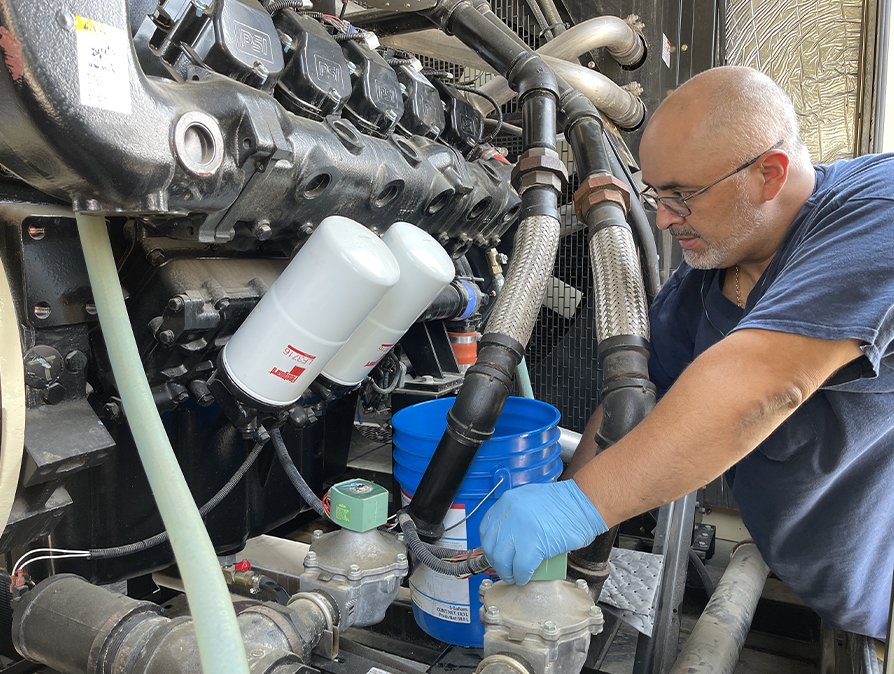
Imagine the storm hits, the lights flicker, and then—darkness. You turn to your trusty generator, confident it will roar to life and keep your home or business running. But what if it doesn't? That moment of need is precisely when you discover whether you've truly invested in its readiness. This is where Preventative Generator Maintenance isn't just a good idea; it's non-negotiable insurance against chaos. It’s about being proactive, ensuring your generator is a reliable sentinel, not a silent monument.
Preventative maintenance (PM) for your generator system is the deliberate, scheduled care that keeps it running efficiently, extends its life, and ensures it's always ready to perform under pressure. It's the difference between a minor service and a costly, emergency repair, often in the middle of a power outage.
At a Glance: Keeping Your Generator Ready
- Proactive, Not Reactive: PM stops problems before they start, saving you stress and money.
- Extend Lifespan: Regular care means your generator lasts significantly longer.
- Ensure Reliability: Guarantees your power source will work when you need it most.
- Avoid Costly Repairs: Catching small issues prevents them from becoming major failures.
- Stay Compliant: Important for warranty, insurance, and regulatory standards.
- Understand Key Services: From exercising to load testing, each task plays a vital role.
- Develop a Plan: A customized schedule based on your generator and operating conditions.
- Monitor & Track: Use data and systems to optimize maintenance efforts.
Why "Set It and Forget It" Is a Recipe for Disaster
Generators, whether standby or portable, are complex machines. They're composed of an engine (the workhorse), an alternator (which makes the electricity), a control system (the brain), and vital fuel, cooling, and exhaust systems. Each component needs regular attention to function harmoniously. Neglecting this intricate ecosystem is like expecting your car to run perfectly without ever changing the oil or checking the tires.
The truth is, many generator failures aren't due to inherent flaws, but rather a lack of simple, routine care. A dirty fuel filter, an old battery, or degraded coolant can all bring a powerful machine to a grinding halt. When the grid goes down, your generator shouldn't be a source of anxiety, but a source of unwavering confidence. That confidence is built on a solid preventative maintenance program.
The Preventative Maintenance Playbook: Essential Services & Frequencies
A truly comprehensive PM strategy involves a series of specific services, each targeting different aspects of your generator's health. Think of it as a tiered approach, from quick check-ups to in-depth overhauls.
1. Regular Generator Exercise: Keeping the Engine Limber
Just like you need to stretch to stay flexible, your generator needs to run periodically to stay ready.
- What it is: This involves running your generator, typically for 20-30 minutes, under no-load or partial-load conditions. During this time, trained personnel meticulously monitor for any unusual sounds, leaks, or performance hiccups.
- Why it's crucial: Exercise circulates vital fluids (oil, coolant), lubricates internal components, prevents moisture and contaminant buildup in the fuel system, and keeps the battery charged. It also allows for early detection of potential issues before they escalate. It's your generator's weekly or monthly wake-up call.
- How often: Weekly or Monthly is ideal.
2. Minor PM: The Routine Check-Up
This is your generator's regular doctor's visit, ensuring everything is aligned for optimal performance.
- What it is: A thorough visual and operational examination. This includes checking all fluid levels (engine oil, coolant, fuel), inspecting belts and hoses for signs of wear, cracks, or fraying, verifying connections are secure, and scanning for any leaks, corrosion, or other visible anomalies. Battery condition is also assessed, often involving a voltage check and terminal inspection. And, of course, the generator is exercised.
- Why it's crucial: Minor PMs are your first line of defense. They allow for the identification of small, easily correctable issues—like a loose belt or a low fluid level—before they develop into significant, expensive problems.
- How often: Monthly to Annually, depending on usage and environmental factors.
3. Major PM: The Annual Deep Clean & Replacements
The Major PM goes a step further, proactively replacing consumable parts that degrade over time.
- What it is: Building upon the Minor PM, this service includes crucial replacements. Engine oil, oil filters, fuel filters, and often coolant filters are drained and replaced. This ensures clean lubrication, optimal fuel delivery, and efficient cooling.
- Why it's crucial: Filters inevitably get clogged, and oil breaks down. Replacing these components annually, or based on operating hours, is vital for maintaining engine health, preventing blockages, and reducing the risk of critical component failure.
- How often: At least Annually, or based on operating hours (e.g., every 200-250 hours).
4. PM3 (Preventative Maintenance Level 3): The Comprehensive Overhaul
For generators working under demanding conditions, or simply to ensure maximum longevity, PM3 is the ultimate preventative measure.
- What it is: An extensive, often customized service that expands on the Major PM. It typically involves replacing all engine belts and hoses (which can degrade from heat and vibration), replacing the air filter for optimal combustion, changing batteries (which have a finite lifespan), draining and replacing the entire coolant system, and checking or replacing spark plugs in gas generators.
- Why it's crucial: This in-depth service addresses wear and tear that goes beyond basic upkeep. It's especially critical for generators in harsh environments or those with high run-time hours. Adhering to guidelines, such as those from NFPA (National Fire Protection Association), for these comprehensive checks can significantly extend your generator's lifespan and reliability.
- How often: Once Every 2-3 Years, or based on operating hours and NFPA guidelines.
5. Building Load Testing: Real-World Readiness
Your generator might run, but can it handle the actual power demands of your facility? Building load testing answers this critical question.
- What it is: This test involves running the generator under the actual electrical load it would experience during a real power outage. It verifies that the generator can not only start but can also sustain the specific power demands of your building's systems and equipment.
- Why it's crucial: It confirms that your generator is appropriately sized and configured to meet your facility's operational needs. Imagine discovering your generator can't power everything during an emergency – this test prevents that surprise.
- How often: Semi-Annually, often performed in conjunction with Major & Minor PMs, or after any significant changes to your building's electrical system.
6. Load Bank Testing: Pushing to the Limit
Load bank testing is the ultimate stress test for your generator, ensuring it can handle its full-rated capacity.
- What it is: A controlled test where the generator is run at its full-rated capacity, often for 2-4 hours, using a specialized external "load bank" device. This process is designed to push the generator to its limits, verify its full load handling capabilities, and, for diesel generators, burn off unburned fuel deposits (a common issue known as "wet stacking"). It's a precise way to identify performance issues that might not appear under lighter loads.
- Why it's crucial: Especially vital for standby generators that rarely operate under full load, load bank testing ensures the unit can perform at its peak capacity during an actual emergency. It "cleans out" the engine and confirms every component can sustain full power output.
- How often: Annually is highly recommended, particularly for standby generators.
7. Automatic Transfer Switch (ATS) Maintenance: The Seamless Hand-Off
The ATS is the unsung hero that automatically switches your power source from the utility to your generator during an outage. If it fails, your generator's readiness is irrelevant.
- What it is: This service focuses specifically on the ATS. Tasks include meticulous inspection and cleaning of electrical contacts, testing the switch's operation and response time, and verifying that all configuration settings are correct.
- Why it's crucial: The ATS is a critical link in your power continuity chain. Proper maintenance ensures it operates reliably and swiftly, avoiding dangerous delays or complete transfer failures when the grid goes down.
- How often: Annually, or strictly per manufacturer recommendations.
8. Generator Oil Sampling: A Glimpse Inside Your Engine
Oil sampling provides a non-invasive look at the internal health of your generator's engine.
- What it is: A small sample of engine oil is taken and sent for laboratory analysis. This analysis detects contaminants (like dirt, water, or fuel), wear metals (such as iron, copper, or lead, indicating component wear), and assesses the oil's overall condition and additive levels.
- Why it's crucial: It's a powerful predictive maintenance tool. By identifying early signs of engine wear or contamination, you can address minor issues before they lead to catastrophic failures. It's also invaluable for optimizing oil drain intervals, potentially extending them safely.
- How often: Annually with Major PM, or Every 250-500 Hours of Operation.
9. Generator Coolant Sampling: Protecting Against Overheating & Corrosion
The cooling system is critical to prevent engine overheating, and coolant sampling ensures it's doing its job.
- What it is: A sample of engine coolant is tested to verify its chemical balance, check for the presence of contaminants (e.g., oil, fuel), and ensure that crucial additive levels (anti-corrosion, anti-freeze) are within specification.
- Why it's crucial: Correct coolant chemistry prevents corrosion, cavitation, and overheating—all common causes of engine damage. Maintaining the proper balance ensures efficient heat transfer and protection for internal engine components.
- How often: Annually with Major PM, or more frequently if your generator operates in extreme conditions.
10. Generator Fuel Sampling (Diesel Generators Only): The Lifeblood Test
For diesel generators, fuel quality is paramount. Contaminated fuel is a leading cause of generator failure.
- What it is: A sample of diesel fuel is taken from the generator's tank and tested for the presence of water, microbial growth (algae, bacteria), and other contaminants. The goal is to ensure the fuel is clean, dry, and free of impurities that can clog filters or damage the fuel system and engine.
- Why it's crucial: Diesel fuel, especially when stored for long periods, can degrade, absorb water, and become a breeding ground for microbes. Clean fuel is absolutely essential for reliable operation. This testing helps avoid common pitfalls like clogged injectors and reduced engine performance.
- How often: At least Annually with Major PM, particularly for generators with long-stored fuel.
11. Diesel Fuel Polishing: Clearing Out the Impurities
When fuel samples indicate contamination, fuel polishing becomes a necessity.
- What it is: This process involves circulating the stored diesel fuel through a series of filters and often treating it with specialized chemicals to remove water, sludge, sediment, and microbial growth. It effectively restores the fuel to optimal quality.
- Why it's crucial: Stored diesel fuel degrades over time. Polishing prevents major issues like fuel system blockages, injector damage, and engine operational problems. It ensures that the fuel feeding your engine is always pristine.
- How often: Annually or as needed based on the results of fuel samples, especially for generators with large or infrequently used fuel tanks.
Crafting Your Own Preventative Maintenance Program
A one-size-fits-all approach to PM doesn't work. Your program needs to be tailored to your specific generators and operational context.
- Identify Critical Equipment: Start by listing all your generators, their models, ages, and their criticality to your operations.
- Consult OEM Manuals: The manufacturer's recommendations are your bible. They outline specific service intervals, fluid types, and component replacement schedules.
- Factor in Operational Conditions:
- Age: Older generators may require more frequent checks.
- Environment: Generators in dusty, humid, or extremely hot/cold conditions need extra attention.
- Failure History: A history of specific issues can inform more targeted maintenance.
- Run Hours: High-usage generators will need more frequent servicing.
- Establish Maintenance Schedules & Tasks: Based on the above, create a detailed schedule outlining what needs to be done and when.
- Record & Track All Activities: Document every inspection, repair, and replacement. This history is invaluable for troubleshooting, warranty claims, and optimizing future schedules.
Beyond the Schedule: Best Practices & Tools for Longevity
Effective preventative maintenance extends beyond just ticking boxes on a schedule. It's about a culture of care and attention.
General PM Activities & Best Practices:
- Consistent Inspections: Beyond scheduled PMs, encourage staff to perform quick visual checks regularly. Look for leaks, loose connections, unusual smells, or visible damage.
- Cleanliness is Key: Keep the generator and its surrounding area clean. Dust, debris, and vermin can cause unexpected issues. Clean air filters regularly, and ensure battery terminals are free of corrosion.
- Fluid Management: Always maintain proper fluid levels (oil, coolant, fuel). Use the correct type and grade of fluids as specified by the manufacturer.
- Monitoring Performance Data: Track fuel and oil consumption, temperature readings, voltage output, and other Key Performance Indicators (KPIs). Deviations can signal an impending problem.
- Secure Fuel & Coolant: Ensure fuel tanks are properly sealed to prevent contamination, and coolant systems are not leaking.
Advanced Tools and Techniques for PM:
- Electrical Testing: Use multimeters, clamp meters, and insulation testers to check electrical components, wiring, and resistance.
- Vibration Analysis: Specialized tools can detect abnormal vibrations, which often indicate bearing wear, misalignment, or other mechanical issues long before they become audible.
- Thermal Imaging (Thermography): Infrared cameras can identify hot spots in electrical connections, bearings, or other components, indicating overheating or impending failure.
- Ultrasonic Testing: Detects leaks (air, fuel, coolant) or electrical arcing that might be invisible or inaudible to the human eye/ear.
- Regular Software/Firmware Updates: For generators with sophisticated control systems, ensure software is up-to-date for optimal performance and security.
When facing potential issues, understanding your options for addressing them is crucial. Learn more about generator repairs to make informed decisions that keep your power flowing.
Measuring Success: Key Performance Indicators (KPIs) for Your PM Program
How do you know if your preventative maintenance efforts are paying off? By tracking key metrics:
- Availability: The percentage of time your generator is fully operational and ready for use. A high availability rate indicates a successful PM program.
- Reliability: The percentage of time the generator operates without failure when called upon. This is a direct measure of trust in your system.
- Maintenance Cost: Track the total cost of maintaining the generator over a specific period. PM should lead to predictable, lower overall costs compared to reactive repairs.
- Mean Time Between Failures (MTBF): The average time your generator runs without experiencing a breakdown. A rising MTBF shows improved reliability.
- Mean Time to Repair (MTTR): The average time it takes to repair a generator after a failure. While PM aims to prevent failures, efficient repair times are also a sign of a well-managed system, often due to organized parts and trained technicians.
The Digital Edge: How CMMS Streamlines Preventative Maintenance
In today's connected world, managing a robust PM program is significantly aided by technology, specifically Computerized Maintenance Management Systems (CMMS).
- Master Data Management: A CMMS stores all critical information about your generators—specifications, service schedules, repair histories, parts lists, and warranty details—in one centralized, accessible database.
- Automated Scheduling: It can automatically generate work orders for upcoming PM tasks based on calendar dates or operating hours, ensuring nothing is missed.
- Historical Tracking: Every maintenance activity, repair, and part replacement is logged, providing a comprehensive history invaluable for trend analysis, auditing, and troubleshooting.
- Integration with Operational Technology: Modern CMMS platforms can integrate with sensors on your generator to monitor conditions in real-time. This enables condition-based maintenance, where tasks are triggered by actual equipment status rather than just a fixed schedule.
- KPI Monitoring: CMMS dashboards provide real-time visibility into your maintenance KPIs, allowing you to quickly assess the effectiveness of your program and make data-driven decisions.
Common Questions & Misconceptions About Generator PM
"My generator only runs a few times a year. Does it really need annual maintenance?"
Absolutely. Even generators with low run hours are susceptible to issues from dormancy. Fuel can degrade, batteries can discharge, fluids can settle, and seals can dry out. Annual maintenance addresses these "sitting" problems, ensuring readiness when called upon.
"Can I just do all the maintenance myself?"
While some basic checks (like fluid levels or visual inspections) are homeowner-friendly, many PM tasks require specialized tools, knowledge, and experience. Tasks like load bank testing, ATS maintenance, advanced diagnostics, or handling hazardous fluids are best left to certified professionals. DIY can void warranties or lead to improper repairs.
"Isn't PM just an unnecessary expense?"
Think of it as an investment. The cost of preventative maintenance is almost always significantly less than the cost of emergency repairs, lost business during an outage, or premature generator replacement. It's a "pay a little now to avoid paying a lot later" scenario.
"What's 'wet stacking' and why is it bad?"
Wet stacking is an issue common in diesel generators that run too long on light loads. Unburned fuel and carbon deposits accumulate in the exhaust system. This can lead to reduced efficiency, increased emissions, and eventually, engine damage. Load bank testing is the primary way to prevent and mitigate wet stacking by burning off these deposits under full load.
"How long do generator batteries last?"
Generator batteries typically last 2-3 years, though this can vary based on quality, environment, and maintenance. Regular testing and replacement as part of PM3 or similar comprehensive services are essential, as a dead battery is one of the most common reasons a generator fails to start.
When to Call the Pros: Recognizing the Limits of DIY
Even with the best intentions and a well-structured PM plan, there will be times when professional expertise is indispensable. Knowing when to call in the experts isn't a sign of weakness; it's a mark of smart, responsible generator ownership.
You should contact a certified generator technician if you:
- Lack the specialized tools or knowledge for a particular task (e.g., advanced electrical diagnostics, load bank testing equipment).
- Detect complex mechanical issues (e.g., unusual engine noises, persistent leaks, control panel errors you can't decipher).
- Need to perform tasks that could void your warranty if not done by a certified technician.
- Are dealing with fuel system contamination that requires professional cleaning or polishing.
- Are performing any service involving the Automatic Transfer Switch (ATS), which carries significant electrical risks.
- Want to ensure compliance with specific safety regulations (e.g., NFPA codes for commercial generators).
- Are unsure about any aspect of maintenance. When in doubt, call a professional. It's safer and often more cost-effective in the long run.
Your Generator's Future: Ready, Reliable, Resilient
Ultimately, preventative generator maintenance is about peace of mind. It’s the commitment you make today to ensure your power system performs reliably tomorrow, regardless of what the weather or the grid throws your way. By understanding the core services, establishing a disciplined schedule, and leveraging the right tools—including professional help when needed—you transform your generator from a "hope it works" device into a dependable cornerstone of your home or business continuity plan. Don't wait for the lights to go out to discover the true value of preparedness. Start building your robust PM program today.